
Optimal Timing for Water Treatments
Water treatments are most effective when performed during specific periods that align with water usage patterns and seasonal conditions. Proper timing ensures optimal water quality and system efficiency, reducing the risk of contamination and buildup.
Spring is ideal for water treatments as water systems often accumulate sediments during winter. Treating water in spring helps restore clarity and quality for the warmer months.
Performing water treatments in fall prepares water systems for winter, preventing freezing issues and removing accumulated debris.
Before peak usage seasons, such as summer or holiday periods, pre-season treatments ensure water remains clean and safe.
After construction or system upgrades, treatments help eliminate residual debris and ensure system readiness.
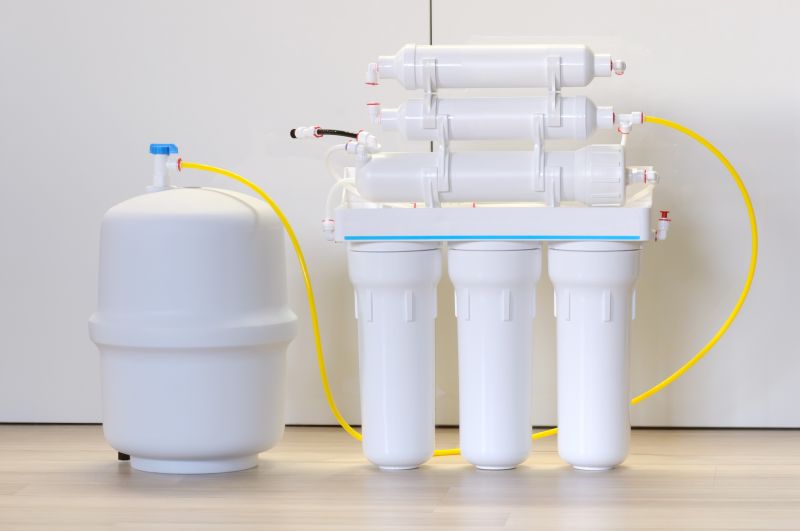
Advanced systems used for effective water purification and filtration.
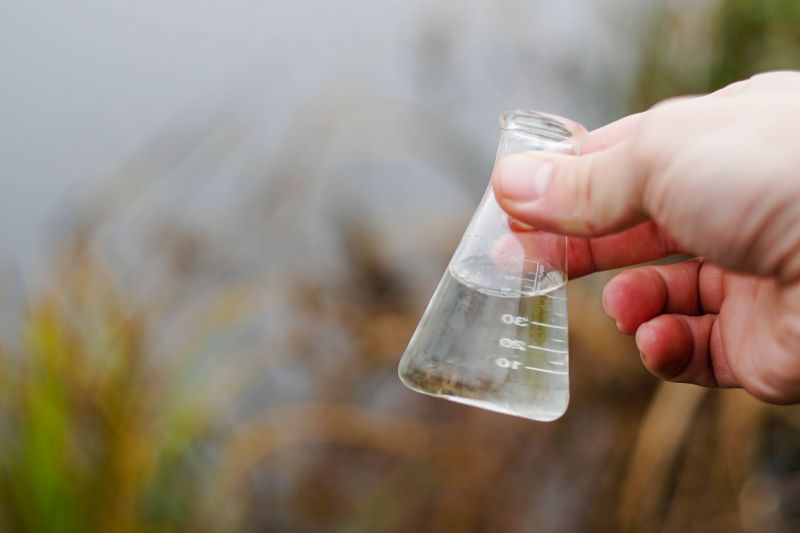
Tools for analyzing water quality before and after treatments.
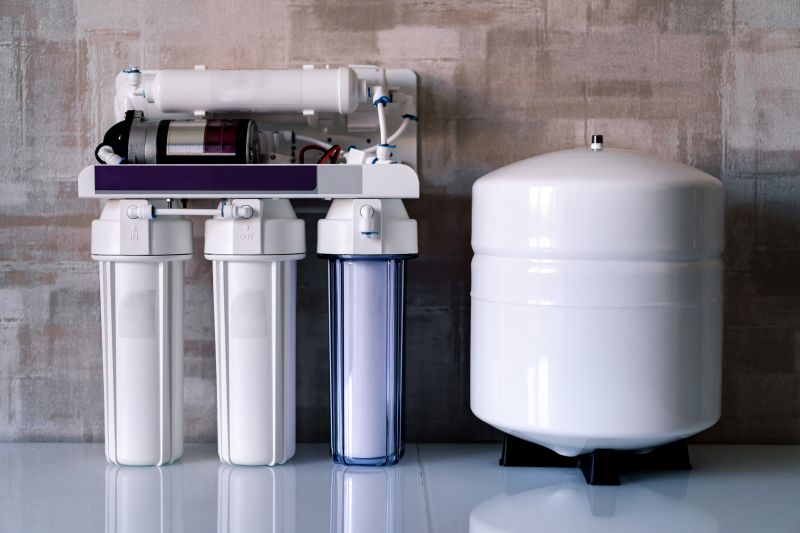
Installation of systems to ensure clean, safe water supply.
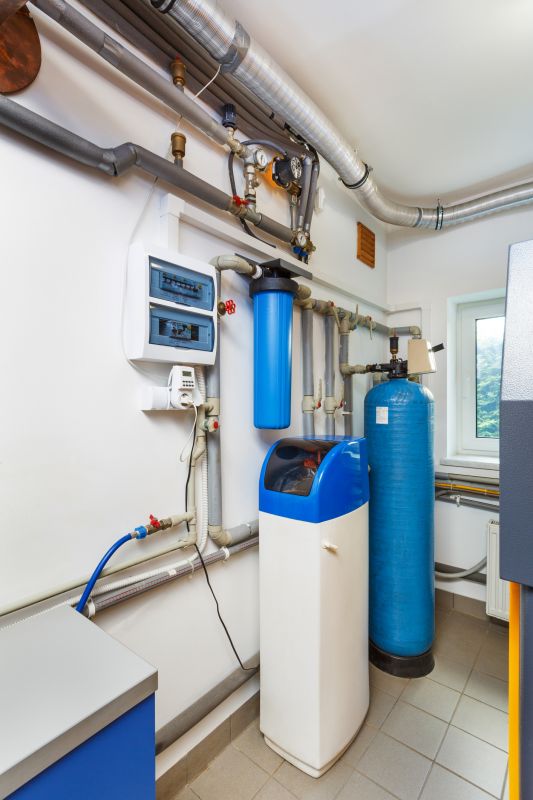
Ways to make Water Treatments work in tight or awkward layouts.
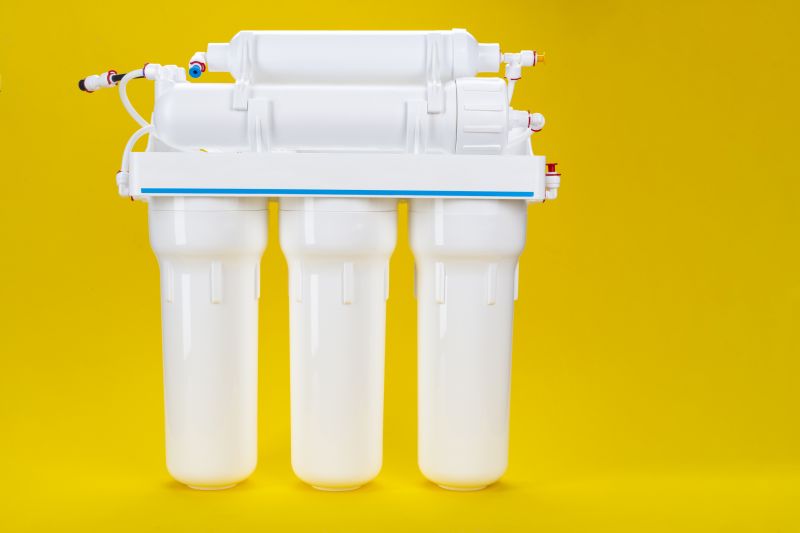
Popular materials for Water Treatments and why they hold up over time.
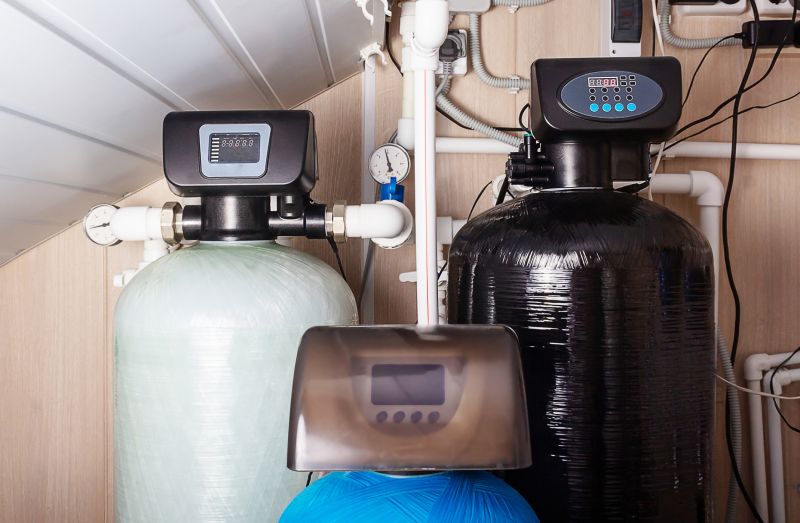
Simple add-ons that improve Water Treatments without blowing the budget.
| Season/Timing | Recommended Actions |
|---|---|
| Spring | Perform system flushing and sediment removal. |
| Fall | Prepare systems for winter by removing debris and treating water. |
| Pre-peak season | Treat water to ensure quality during high usage periods. |
| Post-construction | Eliminate residual debris and test water quality. |
| Regular interval | Schedule treatments every 6-12 months for maintenance. |
Water treatments are essential for maintaining water quality, preventing buildup of sediments, and ensuring the longevity of water systems. Proper timing enhances treatment efficacy and helps avoid potential issues such as clogging, corrosion, or contamination. Seasonal adjustments to treatment schedules can optimize water system performance and safety.
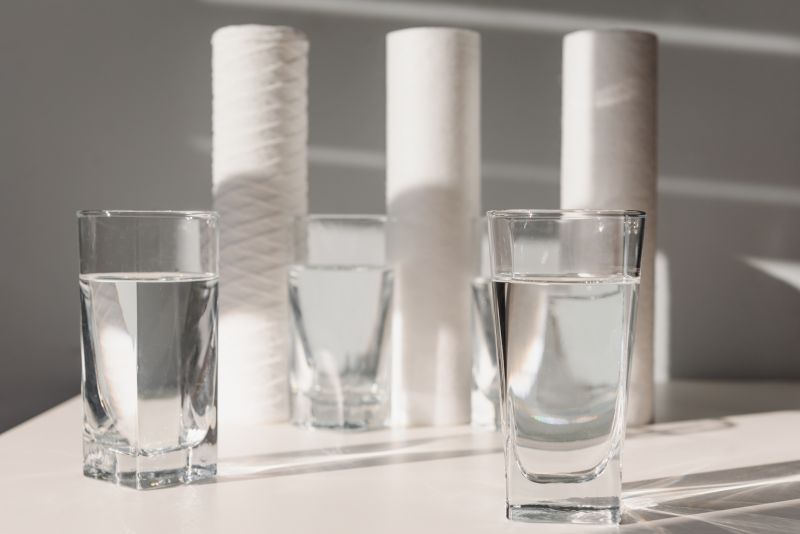
Illustration of water purification steps.
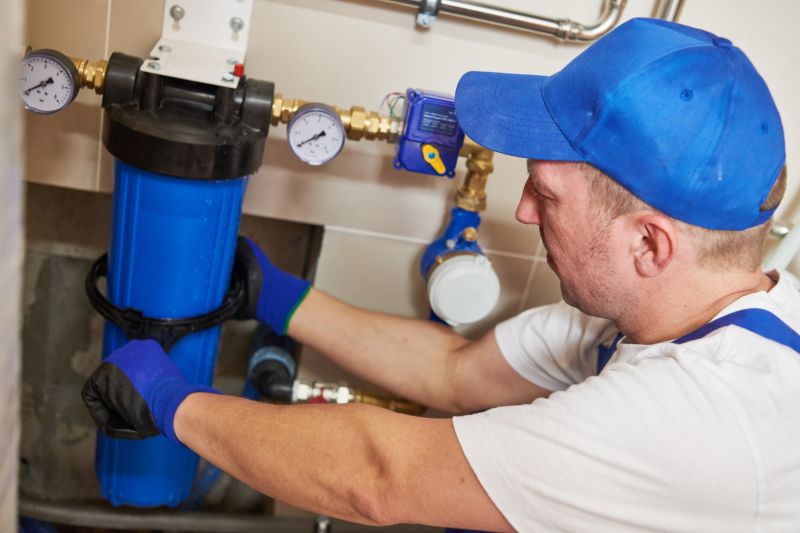
Tools and equipment used in water system upkeep.
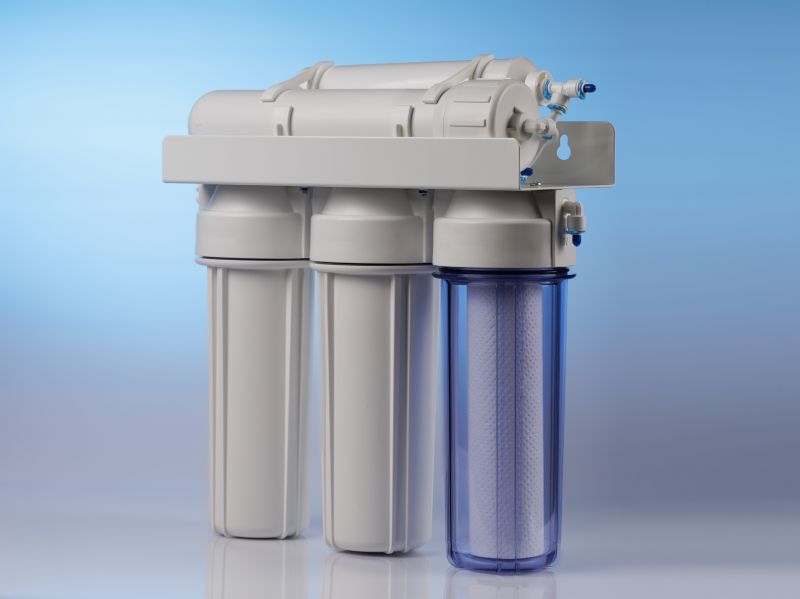
Storage tanks designed for safe water holding.
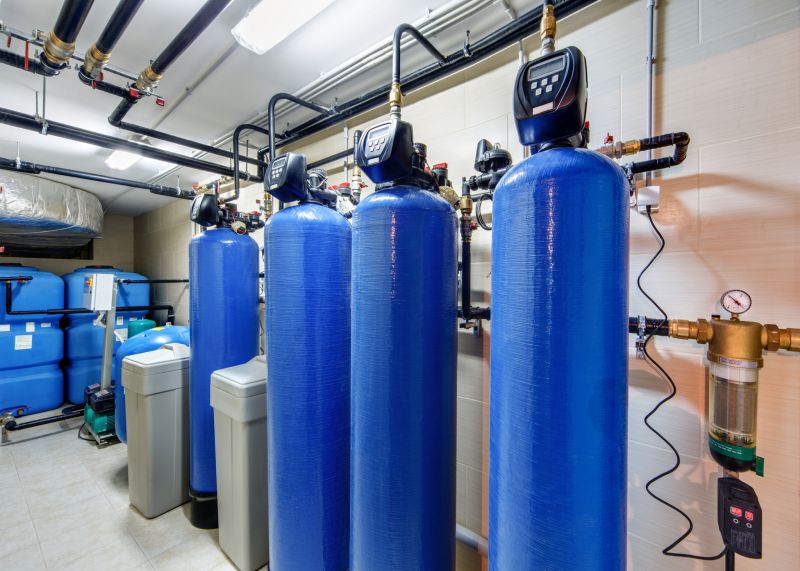
Laboratory analysis for water safety.
Scheduling water treatments at the optimal times can significantly improve water quality and system efficiency. Regular assessments and timely interventions help prevent costly repairs and ensure safe water supplies for all uses.
Interested in scheduling a water treatment? Fill out the contact form to get started.